Aztec Smash: Pragmatic’s Seven-by-Seven Cluster Slot Where Marked Tiles Turn Wins Into Hammers
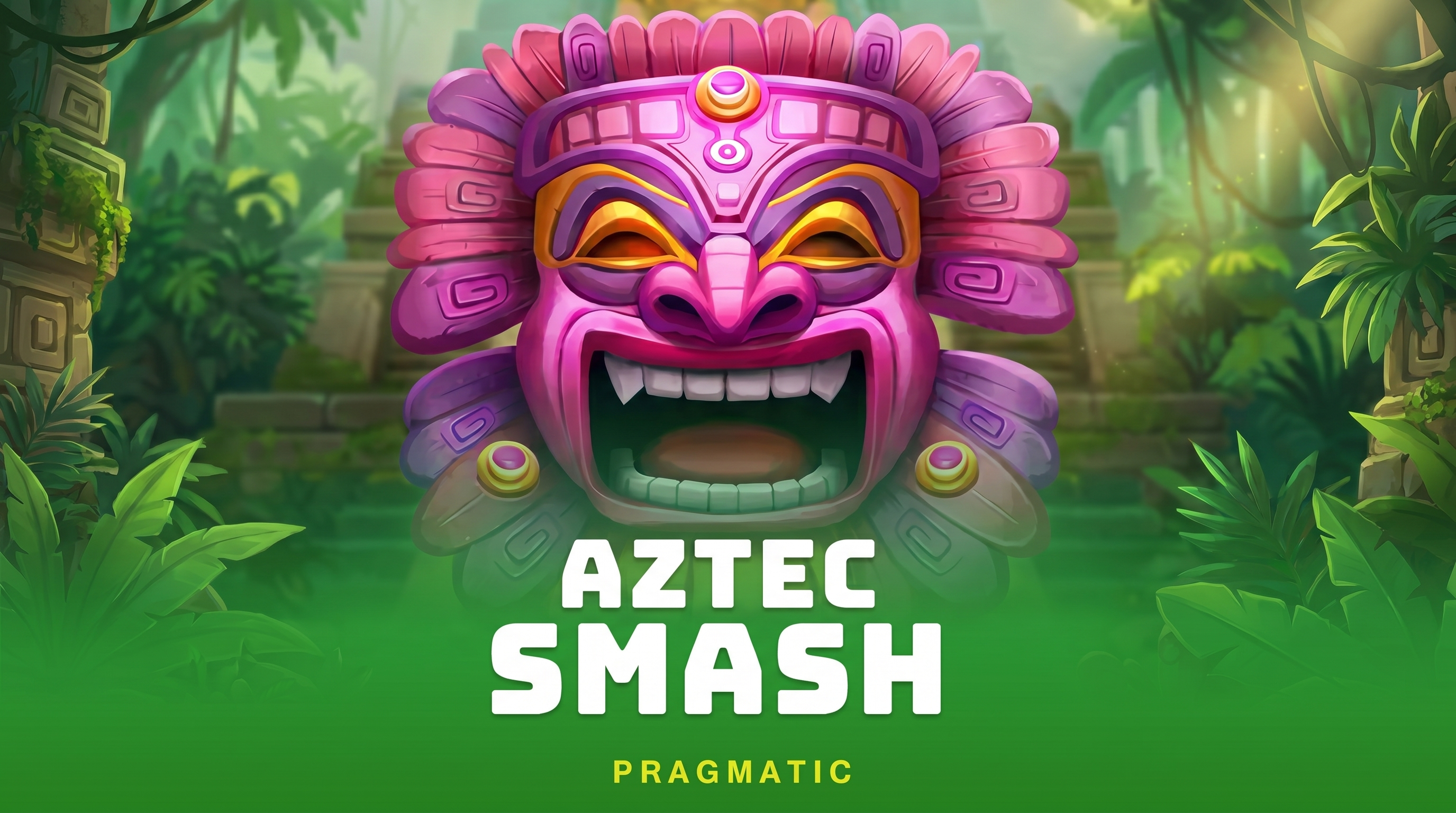
Aztec Smash: Pragmatic’s Seven-by-Seven Cluster Slot Where Marked Tiles Turn Wins Into Hammers
Aztec Smash is Pragmatic Play’s answer to a crowded aisle: everyone already ships tumble clusters and Aztec gold, so this title asks for attention with a blunt hook — random marked positions on a seven-by-seven board that multiply any cluster win they touch. In the base game that smash cap is modest; in free spins the same idea escalates until the marketing department can type four-digit multipliers without flinching.
If you already read Sugar Rush 1000 or Fortune of Olympus, you speak big-board cluster language — surface area, tumble chains, and the lie of “almost connected.” If you want another marked-cell fantasy after Smash, Gemstones Gold keeps the jewel-grid aisle lively without copying the same jungle statue beat-for-beat.
MonkeyTilt’s on-game numbers for this build read 96.5% RTP, a 3.48% house edge, and volatility of 3/5. Bonus buys (where legal) may quote separate RTP; mirror your local help file.
Five-or-more clusters, tumbles, and the smash frames that punish lazy reads
Aztec Smash uses cluster pays on seven reels and seven rows in public documentation: connect five or more identical symbols horizontally or vertically into one blob and the game pays. Winning symbols clear, remaining symbols fall, new symbols drop, and tumbles repeat until the board stalls.
After each spin and subsequent tumble, the game can mark random grid positions. When a marked cell participates in a winning cluster, that win is boosted by the Smash Multiplier rules — in the base game public copy describes a 10x cap on the smash boost itself, while free spins move into an escalating ladder that can climb toward 1000x in marketing materials. Exact ladder grammar lives in help; do not trust a screenshot thread from launch week.
Spend your first demo session tracking how often marks land on dead symbols, how often marks survive tumbles into new winners, and whether multiple marks in one cluster stack or cap — those details define realistic upside more than the trailer does.
Cluster games punish shape superstition — the “heart” of a premium blob is not luckier than the edge. What matters is whether the mark overlay intersects the paying geometry after the tumble resolves, not whether the tile felt close.
Free spins — three to seven scatters, ten to thirty spins, retriggers on the table
Public sheets describe three to seven scatter symbols awarding 10 to 30 free spins respectively — confirm locally because Pragmatic loves regional SKU tweaks. Inside the feature, the Smash Multiplier behaviour is the star: wins that touch marked positions increase the multiplier track in steps described on the provider site (10x steps early, larger steps later, 1000x ceiling in headline marketing).
Retriggers matter: a long bonus with a climbing smash track is how 3/5 volatility still produces memorable swings.
How it stacks against Sugar Rush, Gems Bonanza, and Olympus
Against Sugar Rush 1000, Aztec Smash trades gummy colour for jungle stone, but both reward cluster geometry and multiplier escalation. Against Gates of Olympus, Smash is cluster-native rather than scatter-pay anywhere — connectivity rules matter more than symbol count.
Sweet Bonanza is still the best comfort-food detour if you need pay-anywhere candy after a brutal Smash session — different grammar, same discipline about tilt.
Bankroll and buys — stake for marks that miss
Volatility of 3/5 still permits long tumble droughts where marks taunt you visually while paying nothing. 96.5% RTP is long-run math; it does not schedule seven-scatter entries.
If bonus buys exist where you play, compare purchased RTP to the base 96.5% line — buys are often different products, not the same distribution with a fast-forward button.
When you finally enter free spins, treat the smash ladder like a contract with variance: note your starting balance, decide a hard stop, and ignore chat emotes. The ladder rewards patience, not panic clicking.
Who should climb the temple
If you bounce between cluster titles nightly, keep a one-line journal: game, starting balance, bonus count, best single hit. Patterns lie less than memory — especially on Pragmatic grids where every release whispers that this one is special.
Aztec Smash suits players who want big-board clusters, tumble chains, and a multiplier system tied to board positions rather than floating candy bombs. It punishes players who chase “marked means hot” superstition — marks are rules, not moods.
When the tumble finally drags a fat premium cluster across a marked stack and the smash track does what the paytable promised, Aztec Smash earns its name — not subtle, not polite, just very Pragmatic about what smash actually costs.
Play Aztec Smash at MonkeyTilt for a 7×7 cluster jungle board with framed Smash Multiplier positions — 96.5% RTP, 3.48% house edge, and volatility of 3/5 as printed on the game at publish time.
相关文章

Six New MonkeyTilt Picks: Pragmatic Farm Wheels and Anubis Tumbles, AvatarUX Mining, Hacksaw Duels, Nolimit Island Chaos, and Wicked Expanding Cred
Pragmatic farm wheels and Anubis tumble multipliers, AvatarUX roaming wilds, Hacksaw duel horror, Nolimit island xWays, and Wicked expanding spins — six fresh lobby picks …

MonkeyTilt Bonanza 1000: Pragmatic’s Candy Bomb Built for the Tilt Mafia
House-exclusive fruit, tumble clears, multiplier bombs stacking to the moon—MonkeyTilt Bonanza 1000 is Sweet Bonanza energy with Tilt branding.
Midas Fortune: PG Soft Paints Clusters Gold Until Wilds Won’t Leave
Touch the cluster, watch gold crawl, pray the wild graduates before the cascade goes cold. Midas Fortune is a 5×5 jewelry box where the bonus …
Le Fisherman: Smokey the Raccoon Takes Golden Squares to the Dock
Fishing with a raccoon sounds wholesome until Golden Squares start hoarding rainbows and buckets drain the whole dock. Calm 2/5 bolts on the card, 15,000× …