Money Train 4: Relax’s Scatter-Pays Heist Where the Cart Never Stopped Evolving
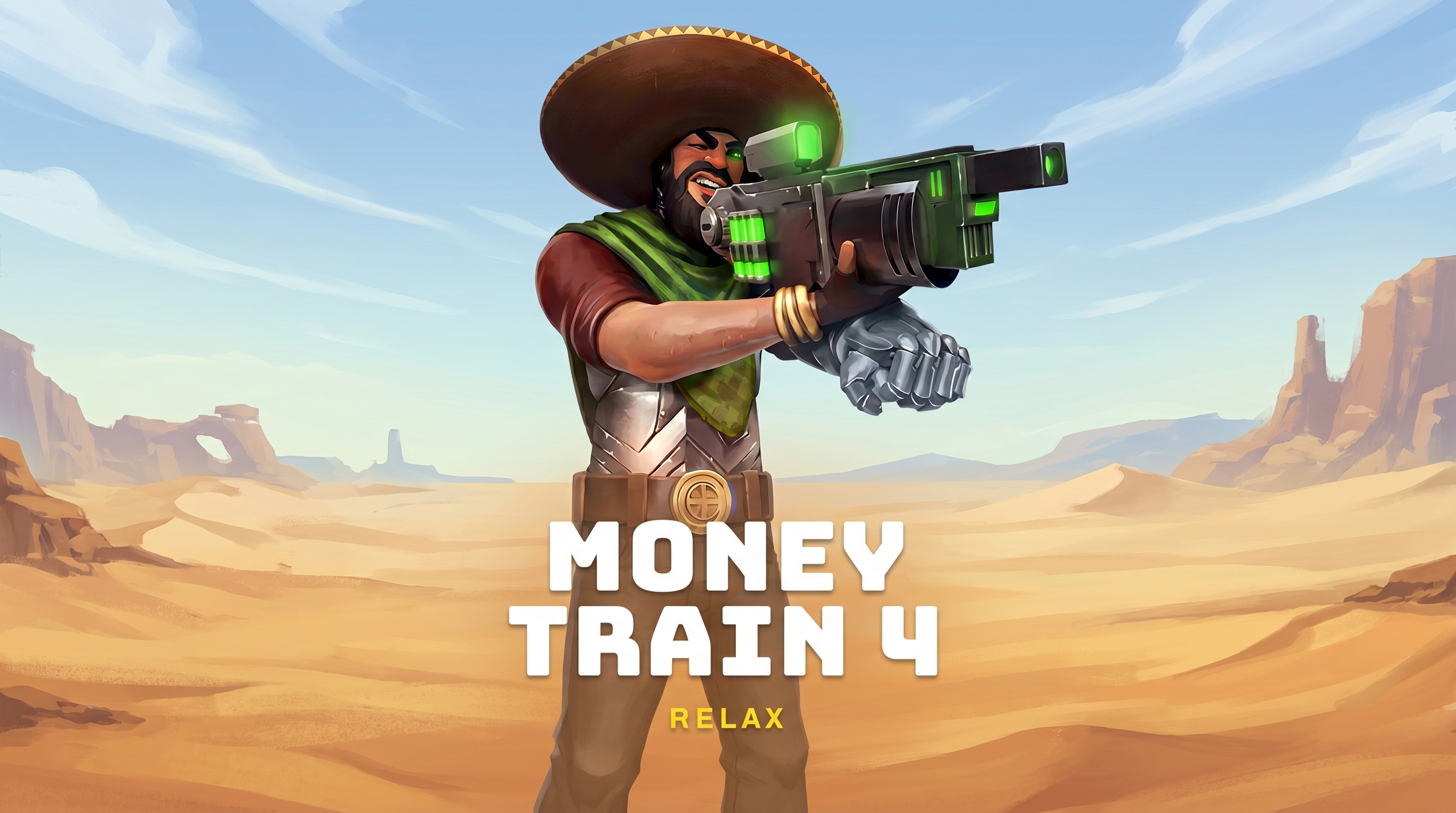
Money Train 4: Relax’s Scatter-Pays Heist Where the Cart Never Stopped Evolving
If the Money Train series were a TV show, Money Train 4 would be the season where the writers stopped apologizing. Relax Gaming kept the gold-skull bonus DNA and the modifier soup that made earlier entries famous, then bolted on a base-game respin hook so the main grid does not feel like a loading screen while you wait for three scatters. The result is loud, dense, and deliberately unfair in short samples — exactly the reputation this franchise trades on.
You do not need to have cleared Money Train 3 to enjoy this one, but veterans will read the UI faster: same criminal-carnival energy, same “one symbol just broke the entire cart” pacing. If your muscle memory lives in Temple Tumble instead, think of Money Train 4 as the opposite philosophy — less zen clearing, more hold-and-respin arithmetic with twenty ways for a single tile to rewrite the board.
The numbers printed on this MonkeyTilt build are the contract for the math mood, not the trailer: 96.1% RTP, a 3.90% house edge, and volatility of 3/5. That middle volatility read still allows nasty streaks; it simply is not license to yolo stake like the cartoon max-win marketing suggests. Optional buys, regional builds, and feature purchases can quote different RTP lines — always match what your client shows before you treat any paragraph on the internet as gospel.
Scatter pays on a six-by-six grid — then the real game starts
Money Train 4 runs a six-reel, six-row layout where wins behave like scatter pays: clusters of the same symbol type connect across the field (Relax’s sheet describes “enough matching symbols” rather than classic left-to-right lines). That format matters because the Money Cart bonus abandons normal reels entirely — you want to be comfortable reading “value + modifier” stacks before you pay for instant entry anywhere it is legal.
The headline attraction in the base game is the Respin Feature, which can fire after a spin resolves. The game picks the most common symbol on view, locks it as sticky, and grants respins where only blanks, more copies of that symbol, or multiplier tiles may land. New matching symbols stick; multipliers typically do not, but they extend the sequence and pile into a combined boost applied to the round’s final tally when the respins finally exhaust themselves. It is short, sharp variance — a teaser for how cruel the cart can be once persistent specials enter chat.
Money Cart — three skulls, infinite ways to lose politely
Land three or more bonus symbols (the gold skull family — confirm artwork locally) and you enter the Money Cart round: a hold-and-respin lane where only special symbols land, three lives reset every time something new sticks, and the grid can grow when unlock tools appear. If you see only two skulls, Relax’s design often grants a second-chance respin mechanic — do not bank on it emotionally, but recognize it as part of the modern package.
Inside the cart you are not chasing “lines”; you are juggling coin values, collectors, payers, snipers, arms dealers, necromancers, unlockers, reset-plus tools, and a zoo of persistent versions that fire every spin. The vocabulary is intentionally overwhelming — that is the product. The skill for a player is not memorizing twenty names on day one; it is learning which combinations compound (persistent payer feeding a wide board, sniper doubling the juiciest stack, unlocker buying you another row of real estate) versus which ones look busy and pay like a polite shrug.
Official Relax marketing cites an enormous max exposure; treat that number like a museum ceiling — interesting, not a plan. Your session outcome still lives between bet size, feature frequency, and whether the RNG felt like cooperating before your stop-loss did.
Buys, pacing, and how to bench it against the older trains
Where jurisdiction allows, Money Train 4 typically sells direct cart entry at steep multiples, sometimes with a “persistent starter” premium tier that guarantees at least one persistent special out of the gate. Purchased modes often display their own RTP beside the base 96.1% figure — compare them like you would compare airline tickets, not like hidden buffs.
Against Money Train 3, this chapter is the maximalist sibling: more moving parts, more ways for a cart spin to escalate, and a base game that occasionally throws a respin lifeline instead of pure dead air. Against Temple Tumble, it is the opposite meditation — less block clearing, more modifier roulette.
If you want a Pragmatic-flavoured detour after a brutal cart session, Sweet Bonanza still delivers tumble candy chaos with a totally different bonus language — useful palette cleanser, not a skill transfer.
Who should ride — and who should change platforms
Money Train 4 suits players who read help files, who treat bonus buys as priced entertainment rather than “unlocking RTP,” and who can laugh when a persistent sniper doubles the wrong stack. Volatility of 3/5 on this build is not permission to ignore bankroll math; it simply means you might see mid-session stories more often than ultra-sparse grind slots.
It is a weak match for anyone who needs predictable base-game rhythm or who tilts when two skulls taunt for a hundred spins — that player will feel personally targeted, and the RNG is not personal; it is indifferent.
Size bets so the Respin Feature feels like a free fireworks show, not a loan shark installment. When the cart finally lands and the Unlocker opens another row while two persistents argue over the same pile of coins, Money Train 4 reminds you why Relax kept the brand alive: not because it is fair, but because it is never boring.
İlgili Yazılar

Six New MonkeyTilt Picks: Pragmatic Farm Wheels and Anubis Tumbles, AvatarUX Mining, Hacksaw Duels, Nolimit Island Chaos, and Wicked Expanding Cred
Pragmatic farm wheels and Anubis tumble multipliers, AvatarUX roaming wilds, Hacksaw duel horror, Nolimit island xWays, and Wicked expanding spins — six fresh lobby picks …

MonkeyTilt Bonanza 1000: Pragmatic’s Candy Bomb Built for the Tilt Mafia
House-exclusive fruit, tumble clears, multiplier bombs stacking to the moon—MonkeyTilt Bonanza 1000 is Sweet Bonanza energy with Tilt branding.

Midas Fortune: PG Soft Paints Clusters Gold Until Wilds Won’t Leave
Touch the cluster, watch gold crawl, pray the wild graduates before the cascade goes cold. Midas Fortune is a 5×5 jewelry box where the bonus …

Le Fisherman: Smokey the Raccoon Takes Golden Squares to the Dock
Fishing with a raccoon sounds wholesome until Golden Squares start hoarding rainbows and buckets drain the whole dock. Calm 2/5 bolts on the card, 15,000× …