Gates of Olympus: The Scatter-Pays Zeus Machine That Refused to Leave the Charts
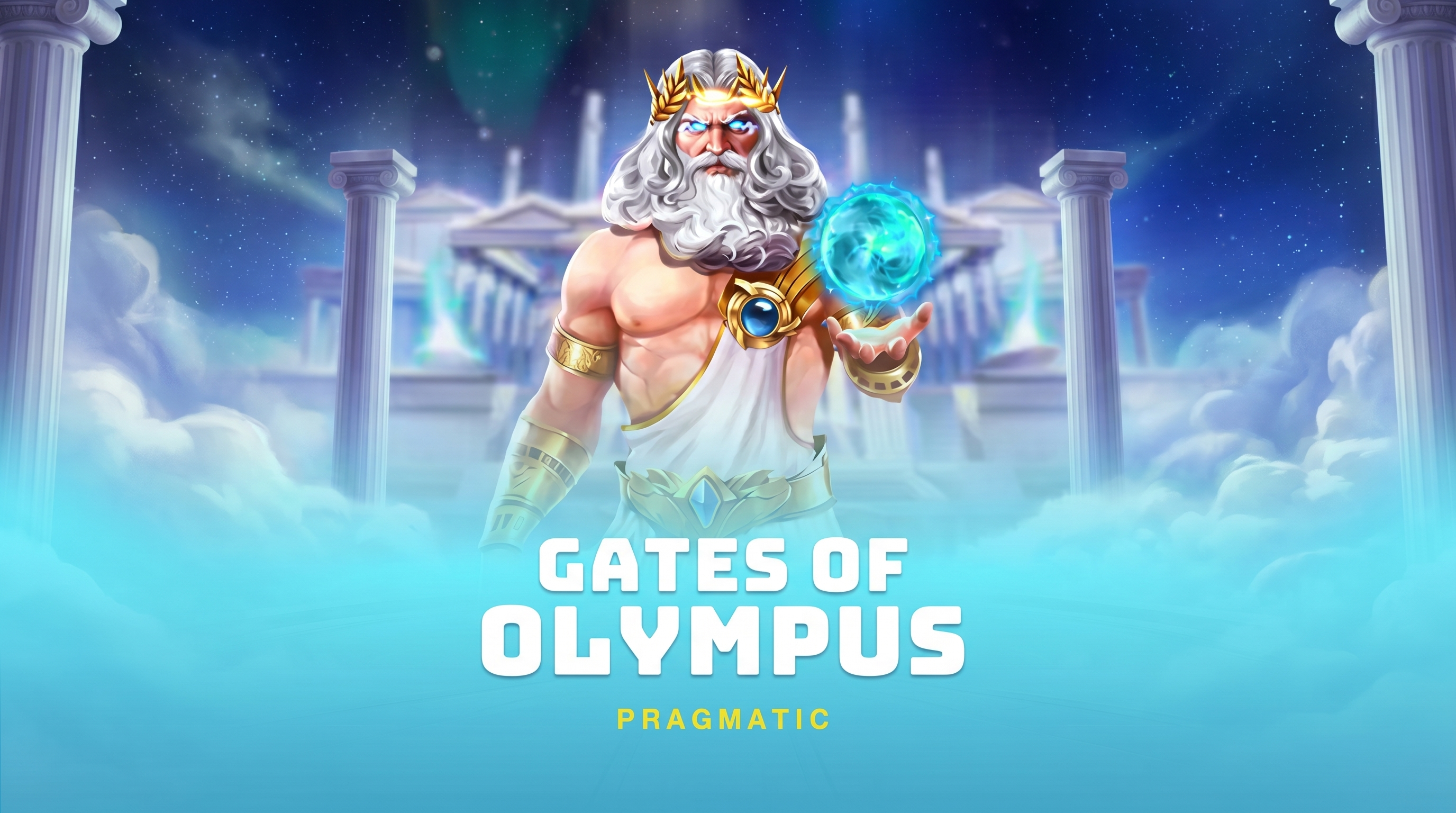
Gates of Olympus: The Scatter-Pays Zeus Machine That Refused to Leave the Charts
Long before “1000” sequels and every grid slot on the planet borrowed tumble math, Gates of Olympus was the Pragmatic Play title that taught a generation of players to stop looking for paylines and start looking for clusters, multipliers, and Zeus side-eye. It is a 6×5 scatter-pays game: land enough matching symbols anywhere and you are in business — no left-to-right story, just volume, tumbles, and the hope that the old man on the throne actually throws lightning when it matters.
If you already live in Sweet Bonanza or the harder sequel Gates of Olympus 1000, you will map the rhythm in minutes. The difference with the original Gates is tone and pacing: still brutal at heart, but without the “everything multiplied by a thousand” branding layer that the sequel wears on its sleeve.
The numbers on the game are honest about what kind of night you signed up for: 96.5% RTP, a 3.50% house edge, and volatility of 3/5 — squarely in Pragmatic’s “this can swing” band, even before you talk about ante bet toggles or bonus buys where your jurisdiction allows them. Optional bet modes can change how fast you see scatters; the help screen is the only place to confirm whether your stake path alters RTP segments.
Tumbles, multipliers, and the Zeus randoms
Every paying hit tumbles: winning symbols vanish, new ones fall, and chains continue until nothing new connects. That loop is what makes scatter pays feel addictive — you are always one drop away from another eight-of-a-kind pile-up.
Multiplier orbs are the signature. They land with values like 2x, 3x, 5x, 10x, and can climb higher in the heat of a sequence. When a tumble ends, all visible multipliers add together and boost the total win for that step — so a “small” cluster plus a fat stack of orbs is how screenshots happen. Zeus can also randomly inject multipliers onto the field when the base game needs a jolt. It is not kindness; it is variance theatre, and it works.
Premium symbols pay in chunky tiers when you mass them; royals fill the gaps between fireworks. None of it matters if you do not respect the volatility — 3/5 still means you can eat a hundred dead spins and then watch one tumble pay like a month of rent.
Spend your first few minutes in demo (if available) mapping minimum cluster sizes for each symbol tier and watching how often Zeus drops random multipliers in the base game. That base-game injection is not just flair — it is what keeps the slot watchable between bonuses, and understanding its cadence stops you from tilting when “nothing is connecting” for stretches at a time.
Free spins — where the multipliers go to college
Four or more scatter symbols trigger the free spins round. You start with fifteen spins in the classic configuration, and the twist is simple on paper: when a multiplier symbol lands, its value gets added to a persistent running total that applies to every tumble win for the rest of the feature. Early orb spam is boring money; late-round totals north of 50x combined are how you chase the slot’s advertised ceiling.
Retriggers exist when enough scatters hit mid-feature — check the paytable for the exact count in your build, because Pragmatic sometimes ships regional variants. Bonus buys and ante-style toggles are common on this SKU; if you see them, read the fine print: purchased entries sometimes quote their own RTP line, separate from the base 96.5% figure on the default game.
How it stacks up — and who should climb the mountain
Against Gates of Olympus 1000, the original is the slightly less memeified sibling — same DNA, less “everything turned up to eleven” marketing pressure. Against Sweet Bonanza, Gates skews mythic / sharp instead of candy pastel, but the tumble muscle memory transfers.
Gates of Olympus is for players who want scatter pays, multiplier chaos, and a bonus where one good persistent ladder prints the session. It is not for anyone allergic to dead spins or convinced Zeus “owes” them after a cold hour — the math does not keep receipts.
If you bounce between Pragmatic’s catalogue, keep Fruit Party in mind as a colour-wheel cousin — same tumble muscle, different volatility fingerprint — and use Gates of Olympus 1000 when you explicitly want the sequel’s escalated ceiling. None of those games “owe” you parity; they only share language.
Treat 96.5% RTP as a long-horizon label, size bets so tumbles are entertainment instead of panic, and if you buy bonuses where legal, compare that purchase RTP to the base numbers on the game. When the orbs stack and the tumble will not quit, Gates of Olympus still earns its throne — lightning, attitude, and all.
Related Posts

Six New MonkeyTilt Picks: Pragmatic Farm Wheels and Anubis Tumbles, AvatarUX Mining, Hacksaw Duels, Nolimit Island Chaos, and Wicked Expanding Cred
Pragmatic farm wheels and Anubis tumble multipliers, AvatarUX roaming wilds, Hacksaw duel horror, Nolimit island xWays, and Wicked expanding spins — six fresh lobby picks …

MonkeyTilt Bonanza 1000: Pragmatic’s Candy Bomb Built for the Tilt Mafia
House-exclusive fruit, tumble clears, multiplier bombs stacking to the moon—MonkeyTilt Bonanza 1000 is Sweet Bonanza energy with Tilt branding.
Midas Fortune: PG Soft Paints Clusters Gold Until Wilds Won’t Leave
Touch the cluster, watch gold crawl, pray the wild graduates before the cascade goes cold. Midas Fortune is a 5×5 jewelry box where the bonus …

Le Fisherman: Smokey the Raccoon Takes Golden Squares to the Dock
Fishing with a raccoon sounds wholesome until Golden Squares start hoarding rainbows and buckets drain the whole dock. Calm 2/5 bolts on the card, 15,000× …